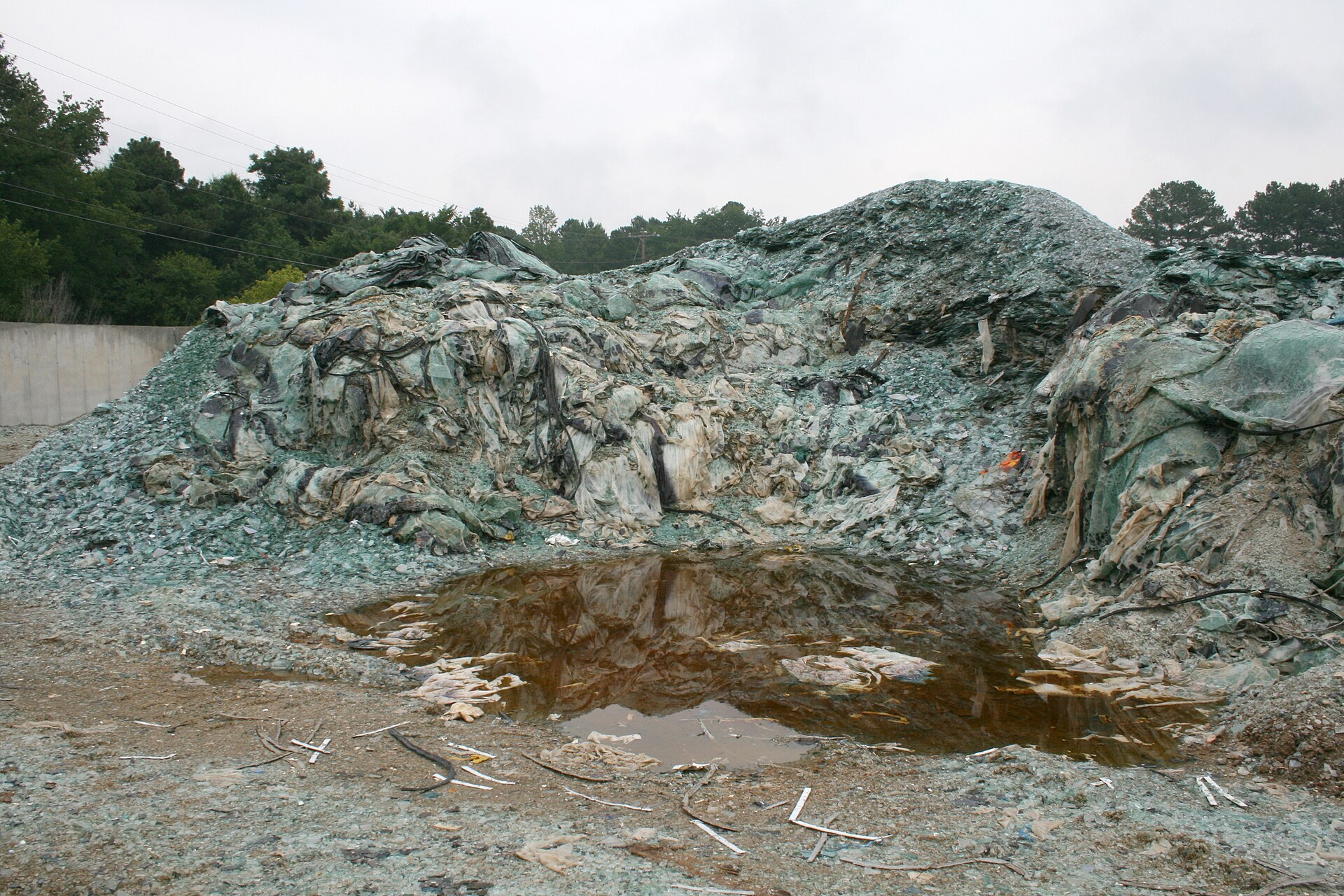
For years cullet has been the variable everyone tolerated. You buy what the kerbside gives you, remove what you must, and make up the difference with virgin batch. A number of container plants are now treating that material as central to furnace planning.
Quality is the whole argument
There is no debate about demand. The debate is about specification. Colour separation has improved to the point where a well-run facility can deliver flint and amber streams that meet most furnace recipes, and the price spread between sorted and mixed material has widened enough to justify the investment.
What has changed fastest is measurement. Sorters that were once judged by eye are now validated by spectroscopy, and buyers are specifying impurity thresholds in parts per million rather than in qualitative descriptions.
The furnace consequence
A furnace designed around 80 per cent cullet behaves differently from one designed around 40. Energy, colour and fining all shift. Several plants have found that the switch is only economic if it is designed into the furnace rather than adapted to it afterwards.
The plants that are succeeding here did not simply buy better cullet. They rebuilt how they think about melting.
What to watch
Deposit return schemes across Europe will change the composition of kerbside material more than any sorting investment will. Watch for the legislation, not the technology.